What are AMEB exams?
The Australian Music Examination Board was established in 1918 to provide nationally recognised music exams. They provide a detailed syllabus for music students & teachers, and give students the opportunity to perform for a professional musician (the AMEB examiner) and receive feedback. All students receive a written exam report, which contains feedback on their playing, plus an official AMEB certificate.
Why take AMEB exams?
The benefits of undertaking an AMEB exam are vast - they provide a goal for students to work towards, allow independent feedback plus they are nationally recognised. AMEB exams are looked upon favourably for high school scholarships & applications, with a number of private schools having expected benchmarks for potential music students - for example some high schools require certain entry levels for their band programs.
What do students present in an AMEB exam?
There are various types of AMEB exams - for example comprehensive, recital, leisure etc.
This round, Sophia took a Comprehensive Exam - the most challenging type of exam on offer! She had to perform some scales & technical work from memory, learn 5 pieces & take part in a variety of ‘unseen’ activities on the day.
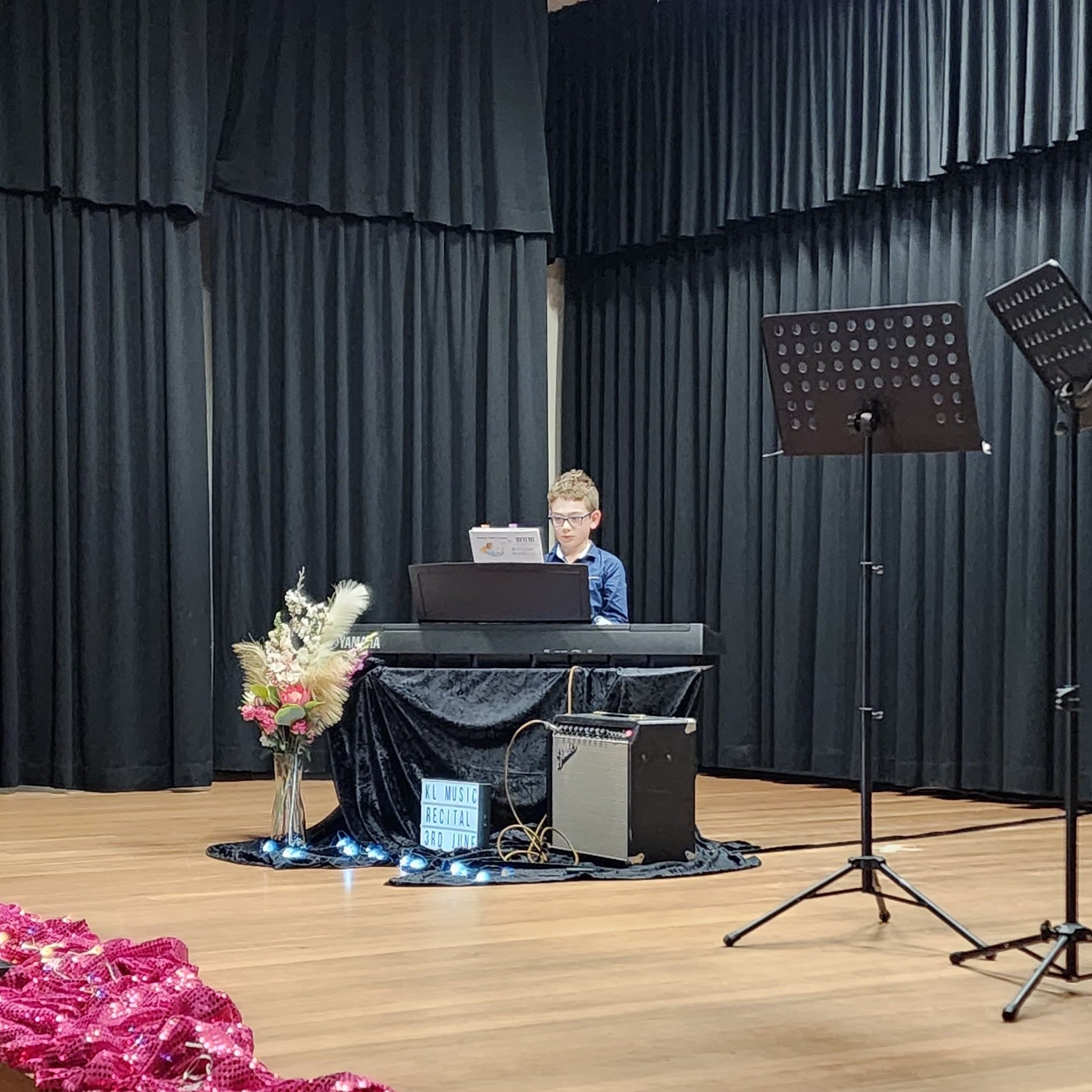
Whereas, Charlotte-Grace & Agastya both took Piano for Leisure Repertoire exams. PFL exams have more modern repertoire, and the students each choose their favourite pieces to perform. Being their first piano exam, both students opted for the Repertoire style exam, where they choose to play an ‘extra’ piece instead of performing scales/technical work on the day.
If you would like more information on AMEB exams feel free to get in touch. Or check out the AMEB NSW page online here.